
Quick Guide to Piles Treatment and Know About Piles
Are you feeling discomfort or pain while sitting or using the bathroom? You’re not alone. Many people suffer silently from piles, also known as hemorrhoids, unsure of what to do next. But don’t worry—we’re here to make things simple and help you understand what piles are, what causes them, how to prevent them, and the best treatment options available today.
What Are Piles (Hemorrhoids)?
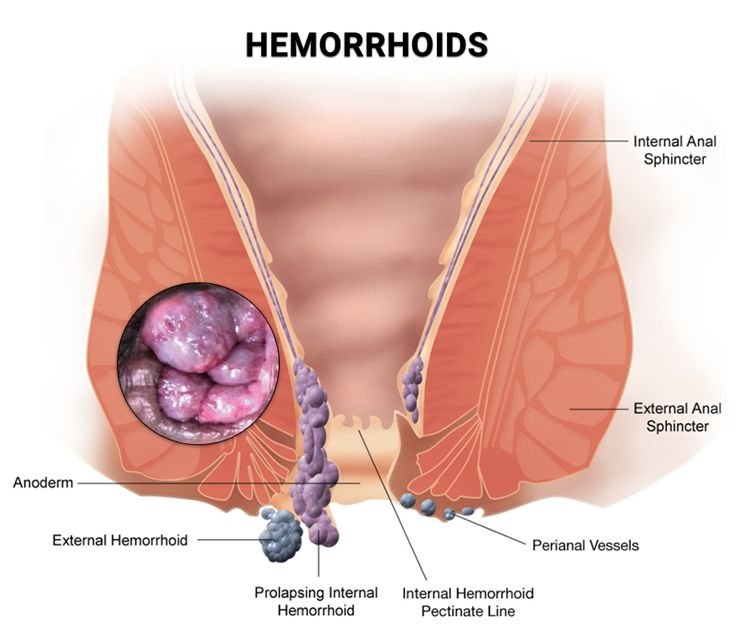
Piles are swollen and inflamed veins in the rectum and anus. Think of them like varicose veins, but in a less pleasant location. They can be inside the rectum (internal hemorrhoids) or under the skin around the anus (external hemorrhoids).
These swollen veins can cause pain, itching, bleeding, and in severe cases—even affect your daily life.
What Causes Piles?
A pile doesn’t just pop up for no reason. There are a few common culprits. One of the biggest is pressure in the lower rectum, which can develop due to:
- Chronic constipation or diarrhea
- Straining during bowel movements
- Sitting for long periods, especially on the toilet
- Low-fiber diets
- Pregnancy – the added pressure from the growing uterus can lead to hemorrhoids
- Obesity
- Heavy lifting or activities that increase pressure on the abdomen
Here’s a good rule of thumb: if you’re constantly straining in the bathroom or your bathroom visits aren’t smooth, your risk of piles is higher.
What Do Piles Feel Like?
Symptoms vary, but common signs of piles include:
- Bleeding during bowel movements – usually painless bright red blood
- Itching or irritation around the anus
- Swelling or a sensitive lump near the anus
- Pain or discomfort when sitting
- Mucus discharge after passing stools
Not everyone with piles experiences noticeable symptoms. Some might find out only during routine health check-ups.
Types of Piles
Understanding the type of pile can help you better manage or explain it to a doctor. The main types include:
Internal Piles
These are inside the rectum and often painless, though they may bleed. You might not even realize you have them unless bleeding occurs during a bowel movement.
External Piles
These form under the skin around the anus and can be itchy, painful, or sometimes form a hard lump if a blood clot develops.
Prolapsed Piles
Occasionally, internal piles may push out through the anus (this is called a prolapse). They may go back in on their own or need manual assistance.
How Can You Prevent Piles?
Prevention is always better than cure. To keep those troublesome veins from flaring up, try these simple lifestyle tips:
- Eat a high-fiber diet with fruits, veggies, and whole grains
- Drink plenty of water – aim for 6–8 glasses a day
- Don’t delay bathroom visits; go when you feel the urge
- Exercise regularly to avoid constipation and improve bowel movements
- Avoid sitting too long, especially on the toilet
Think of your digestive system like plumbing—if things flow smoothly, blockages and issues like piles are less likely to form.
Treatment Options for Piles
The good news? Piles are treatable, and in many cases, they go away on their own with little effort. Here’s a breakdown of common treatment options based on severity:
1. Home Remedies and Lifestyle Changes
For mild piles, simple changes may be all you need:
- Sitz baths: Soaking your bottom in warm water for 10–15 minutes a few times a day eases irritation.
- Topical creams and ointments: Over-the-counter creams can reduce swelling and discomfort.
- Cold compress: Helps reduce pain and inflammation.
- Increase fiber intake: Reduce straining by making stools easier to pass.
2. Non-Surgical Procedures
If home remedies aren’t cutting it, your doctor might recommend slightly more advanced, but still non-invasive options:
- Rubber Band Ligation: A band is placed around the base of the hemorrhoid to cut off its blood supply—causing it to fall off in a few days.
- Sclerotherapy: A special solution is injected to shrink the hemorrhoid.
- Infrared coagulation: A device uses infrared light to cut off blood flow and shrink it.
These procedures are often quick, with minimal pain and downtime.
3. Surgical Treatment
In rare and severe cases, surgery may be needed. Some common surgical options include:
- Hemorrhoidectomy: The surgical removal of large external and internal hemorrhoids.
- Stapled Hemorrhoidopexy: A procedure that blocks blood flow to affected tissue, causing it to shrink.
These methods are usually a last resort when less invasive treatments have failed or the condition is particularly severe.
When Should You See a Doctor?
Here’s the thing—it’s easy to ignore piles, hoping they’ll just go away. But you shouldn’t always wait it out.
See a doctor if:
- You’re experiencing persistent or heavy bleeding
- You have a lump that’s painful or won’t go away
- There’s discomfort affecting your daily life
Doctors can rule out more serious conditions like colorectal cancer and help you find lasting relief.
Don’t Be Embarrassed—Seek Help
Let’s be honest—piles aren’t exactly dinner-table conversation. But they’re far more common than you might think. Whether it’s a bit of itching, bleeding, or worse, it’s nothing to be ashamed of.
Ignoring the signs won’t make them go away—in fact, it might make things worse. There’s no harm in speaking to a doctor and exploring your options.
Final Thoughts
Piles can be uncomfortable, but they’re also highly manageable. By understanding what causes them, recognizing symptoms early, and making a few lifestyle adjustments, you can prevent them or reduce their impact.
And if you’re already dealing with piles? Don’t worry. Help is available—from gentle home remedies to quick outpatient procedures. The key is not to suffer in silence.
Take action now and give your health the care it deserves. A better, less painful tomorrow could be just one conversation away.
Remember: If you take care of your digestive system, it will take care of you.
Keywords Used Naturally Throughout the Post:
- piles
- hemorrhoids
- treatment options for piles
- internal hemorrhoids
- external piles symptoms
- how to treat piles at home
- preventing hemorrhoids
Ready to feel better? Speak with your doctor today and take the first step toward a more comfortable life.